Buildings & Infrastructure
Buildings are responsible for approximately 39% of global CO₂ emissions (IEA, 2018). Cutting emissions from both existing and new buildings is essential if Scotland is to meet its net zero target.
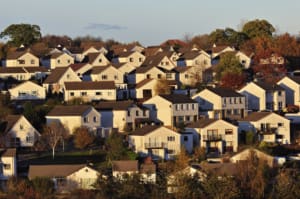
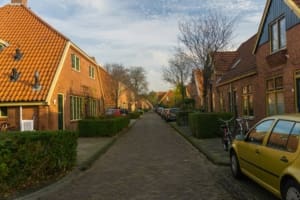
Most publicly owned or managed buildings are non-domestic, and they vary widely in size and energy consumption. Of Scotland’s approximately 220,000 non-domestic buildings, around 23,000 are under public ownership (HiB, 2021). 12% of Scotland’s 2.5 million domestic homes are social housing, with approximately half of these provided by local authorities (NZET report, 2023).
Professional Standards for carbon management of infrastructure projects are provided in PAS 2080: Carbon Management in Infrastructure, BSI 2016.
Net Zero Buildings
A building is considered net zero when its total greenhouse gas (GHG) emissions—both operational and embodied—equal zero over its entire life cycle.
- Whole life carbon is the total GHG emissions and removals linked to a building from construction to demolition and disposal.
- Embodied carbon refers to emissions from materials and construction processes across the building’s life.
- Operational carbon is the emissions produced from energy used during the building’s use, including heating, cooling, and water supply.
Building Emission Sources
Eliminating building emissions is challenging due to their scale and variety of sources:
- Scope 1 (direct emissions)
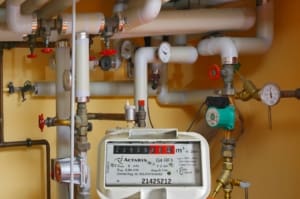
Emissions produced on-site, such as burning natural gas for heating, hot water, or cooking. This also includes leaks from refrigerants in cooling or heating systems. Other sources include fugitive emissions from refrigerants or heating systems. - Scope 2 (indirect emissions)
Emissions from electricity, heat, or cooling that are generated off-site and bought for use in the building. This can include purchased steam and heat linked to a district heating network. - Scope 3 (other indirect emissions)
All other emissions linked to the building’s life cycle. This includes making and transporting construction materials (like concrete and glass), as well as demolition and waste disposal at the end of the building’s life.